THE CLASSROOM AS THE FIRST FILTER: EARLY DETECTION AND DIAGNOSTIC DELAYS OF AUTISM SPECTRUM DISORDER IN MEXICO
Abstract
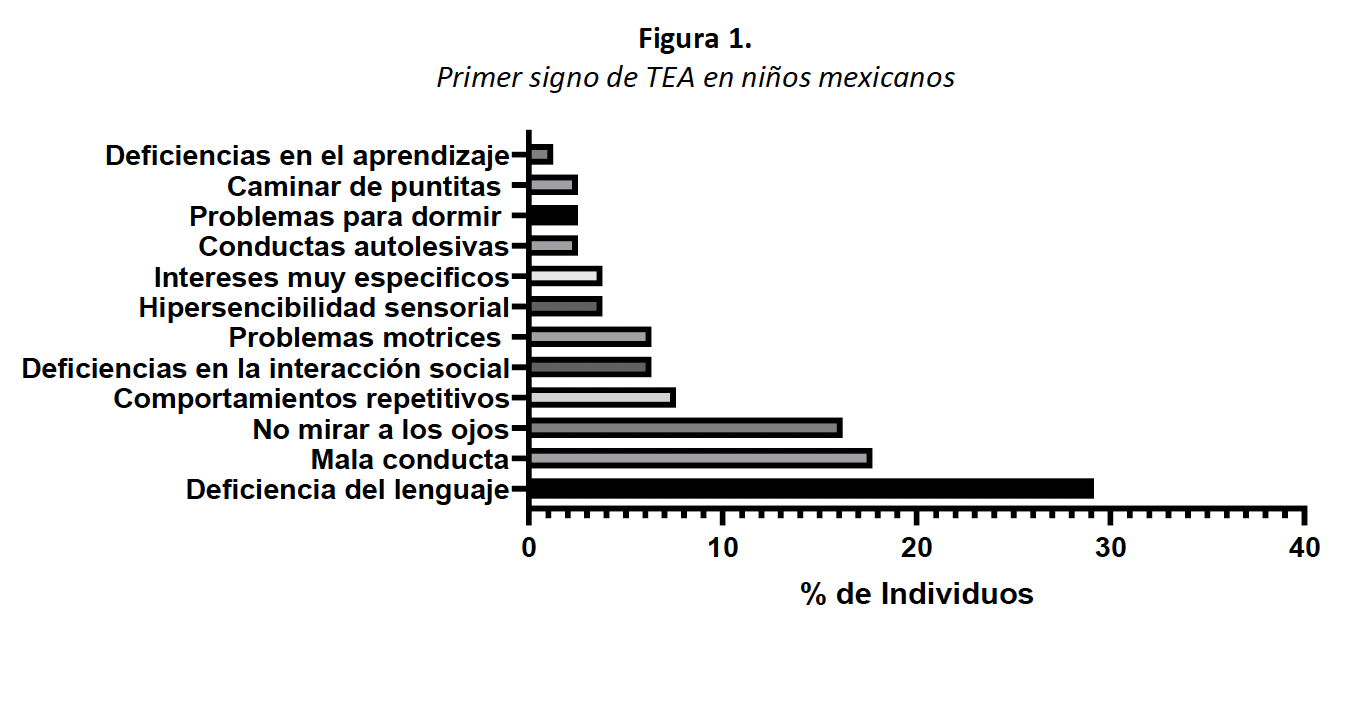
This study examines the factors influencing the diagnosis of Autism Spectrum Disorder (ASD) in a sample of 67 children from Veracruz, Mexico. The analysis focused on the age at which the first symptoms were detected, the key agents involved in the identification process, and the time elapsed until diagnostic confirmation. Findings revealed an average delay of 4.35 years between the initial suspicion and the formal diagnosis. Preschool teachers were the primary identifiers of early warning signs (29.49%), followed by parents and physicians (27.86% each). The most commonly reported symptoms were language impairments (29.14%), behavioral problems (17.72%), and lack of eye contact (16.18%). These results highlight the urgent need to implement training strategies for educators and to strengthen screening protocols within the healthcare system, in order to reduce the diagnostic gap and promote early intervention, thereby improving the prognosis and quality of life of children with ASD and their families.
Keywords: Childhood autism; early diagnosis; early intervention; autism spectrum disorder.
Published
How to Cite
Issue
Section
License
Copyright (c) 2026 Anllely Grizett Gutiérrez Rodríguez, Salvador Zepeda Esquivel, Nictie Laurean Quiroga, Jorge Manzo Denes

This work is licensed under a Creative Commons Attribution-NonCommercial-ShareAlike 4.0 International License.
Articles published in this journal are protected under the Creative Commons Attribution-NonCommercial-ShareAlike 4.0 International (CC BY-NC-SA 4.0) license. This means that authors retain full rights over their research and publications at all times. As a journal, we fully respect and promote the principles of open access established by this license, allowing the work to be shared, adapted, and distributed for non-commercial purposes, provided that appropriate credit is given to the authors and any derivative works are licensed under the same terms.
Authors are responsible for obtaining the required permission when they wish to reproduce part of the material (figures, etc.) from other publications.
Likewise, CNPs allows authors to host in their personal sites or other repositories that they deem convenient the Final and Definitive Version of the published article with the format assigned by the journal. In no case do we allow access to preprints of the article under evaluation or already published.
When submitting an article to CNPs you are aware that all the contents of CNPs are under a Creative Commons License. In which it is allowed to copy and share the contents freely, always making reference to the origin of the publication and its author.