SÍNDROME COGNITIVO-AFETIVA NA MALFORMAÇÃO DE CHIARI TIPO I: ANÁLISE NEUROPSICOLÓGICA DE TRÊS CASOS CLÍNICOS
Resumo
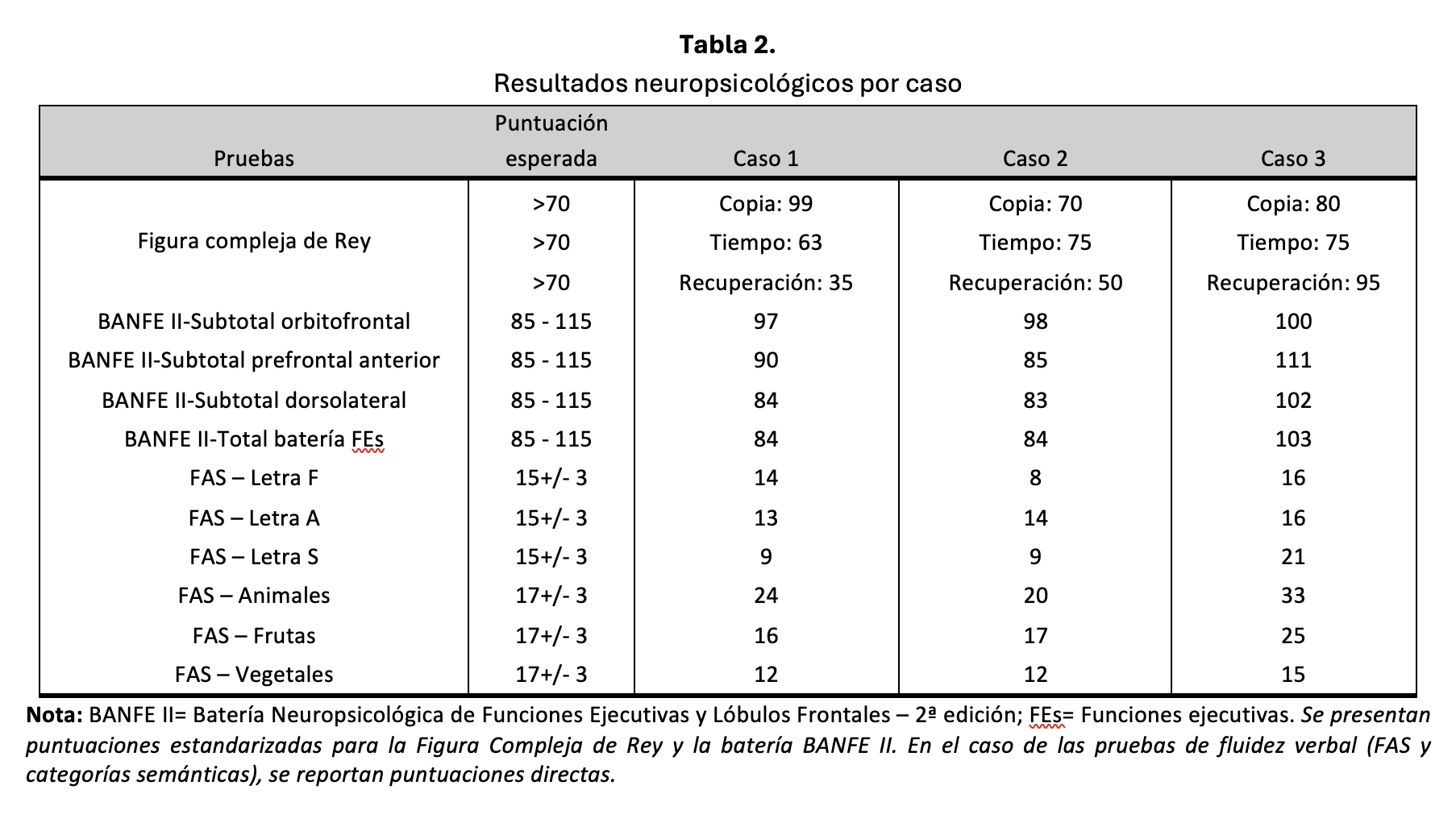
Chiari malformation type I (CM-I) is a congenital neurological condition that can significantly impact patients’ quality of life. Several studies have reported cognitive and emotional dysfunctions in individuals with CM-I, highlighting the need for a deeper understanding of its symptomatology. The aim of this study was to assess executive functioning and trait anxiety in three adult patients diagnosed with CM-I. A case study design was employed using a mixed-methods approach. Participants were three adult women aged between 28 and 55 years. The results revealed variability in cognitive profiles, showing that patients with low executive performance reported active physical symptoms that interfered with daily functioning, while the patient with higher executive functioning was clinically asymptomatic. Emotionally, all three cases exhibited elevated trait anxiety scores. These findings underscore the importance of a comprehensive assessment of CM-I that includes not only physical symptoms but also cognitive and emotional factors, in order to guide more holistic and personalized interventions.
Palavras-chave: Malformação de Chiari tipo I; cerebelo; funções executivas; ansiedade; avaliação neuropsicológica
Publicado
Como Citar
Edição
Secção
Licença
Direitos de Autor (c) 2026 Angie Paola Herrera Morales , Vanesa Perez

Este trabalho encontra-se publicado com a Licença Internacional Creative Commons Atribuição-NãoComercial-CompartilhaIgual 4.0.
Os artigos publicados nesta revista estão protegidos pela licença Creative Commons Attribution-NonCommercial-ShareAlike 4.0 International (CC BY-NC-SA 4.0). Isso significa que os autores mantêm todos os direitos sobre suas pesquisas e publicações em todos os momentos. Como revista, respeitamos e promovemos integralmente os princípios de acesso aberto estabelecidos por essa licença, permitindo que o trabalho seja compartilhado, adaptado e distribuído para fins não comerciais, desde que seja dado o devido crédito aos autores e que quaisquer trabalhos derivados sejam licenciados sob os mesmos termos.
Os autores são responsáveis por obter a permissão necessária quando desejarem reproduzir parte do material (figuras, etc.) de outras publicações.
Da mesma forma, o CNPs permite que os autores hospedem a Versão Final e Definitiva do artigo publicado, no formato designado pela revista, em seus sites pessoais ou em outros repositórios que considerem adequados. Em nenhuma hipótese permitimos o acesso a preprints do artigo em avaliação ou já publicado.
Ao submeter um artigo à CNPs, você está ciente de que todo o conteúdo da CNPs está licenciado sob uma Licença Creative Commons. Na qual é permitido copiar e compartilhar o conteúdo livremente, sempre fazendo referência à origem da publicação e ao seu autor.